A Polish mind
behind the Chipmunk
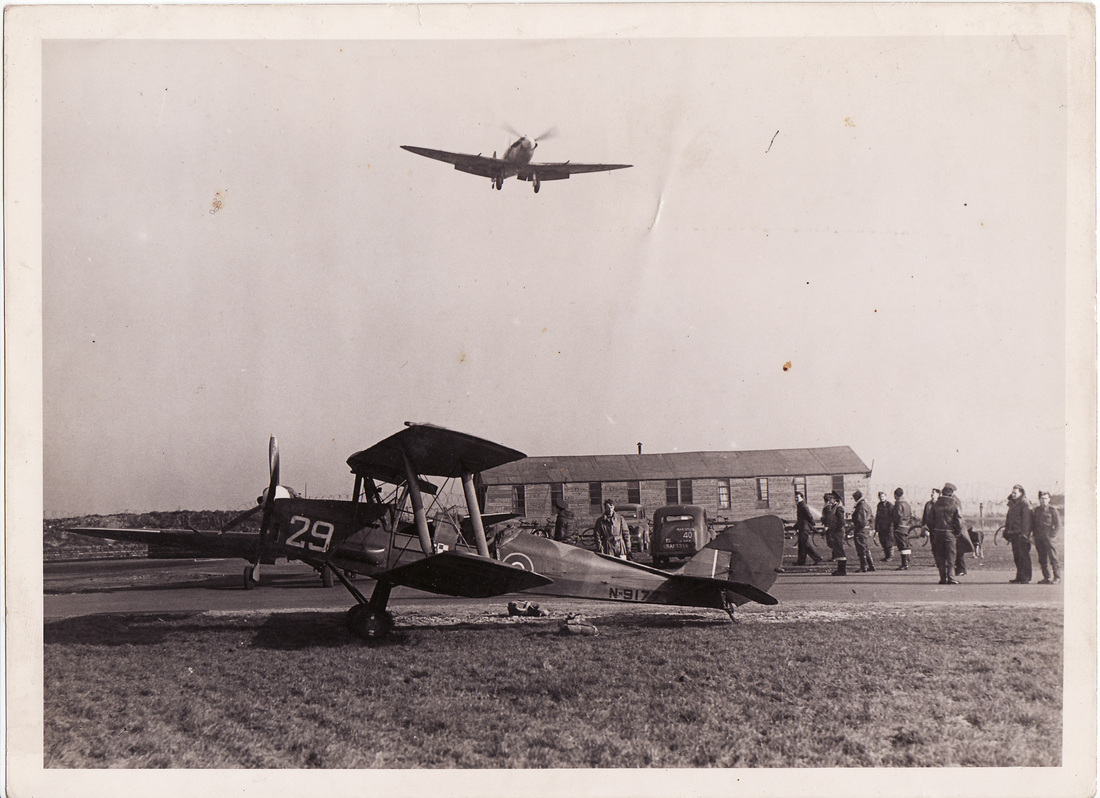
The DHC-1 Chipmunk was designed in Canada by Wsiewołod Jakimiuk — the engineer who had previously designed the Polish fighters PZL P-11, P-24 and P-50 "Jastrząb" (Hawk). It was conceived as a training aircraft — the successor to the DH-82 Tiger Moth. The concept originated in Poland before the war.
The PZL factory built all-metal aircraft, and so the DHC-1 was all-metal too. Jakimiuk favoured an in-line engine, though the choice of the DH Gipsy Major was driven by the large stocks of these engines remaining from DH-82 production.
After the war, de Havilland Canada had fewer orders than expected. Representatives from the parent DH company in Britain decided that DHC should first build a training aircraft. The project began in October 1945. Numerous components and parts left over from DH-82 production were incorporated, along with design solutions from the DH Mosquito — including the undercarriage damping and the shape of the rear fuselage.
The DHC-1 prototype first flew on 22 May 1946. Over 200 were built in Canada, approximately 1,000 in England and 66 in Portugal. The aircraft served as a trainer with the British armed forces until the 1970s. Around 500 DHC-1 Chipmunks are estimated to survive worldwide today.
Serial 50/1360 —
Portugal 1959
Aircraft G-BYYU, serial number 50/1360, was built by OGMA in Portugal in 1959. In 1993 it was transferred to the Aero Clube de Portugal after the end of its military service. It was then included in a project to refit Portuguese DHC-1 aircraft with Lycoming engines and found its way to the United Kingdom.
It was purchased by Jacek Mainka and restored between 2010 and 2014 by Cooper Engineering at Wickenby. In July 2014, 50/1360 was flown to Poland.
The aircraft carries the markings of RAF WD322 from Training Command, 1951. On 31 January 1951, Tadeusz Wierzbowski "Wier" — a Lancaster pilot from No. 300 Squadron — ferried WD322 from the factory to its training unit.
To him, his colleagues from the Polish Air Force and later the Royal Flying Corps, and to Jakimiuk and the Polish engineers at DHC — this project of bringing the first Chipmunk to Poland is dedicated to them.
Jacek MainkaThe WD322 markings and the story of Tadeusz Wierzbowski "Wier" are a tribute to the Polish pilots of No. 300 Squadron and to Poland's contribution to Commonwealth aviation — both as pilots and as engineers.
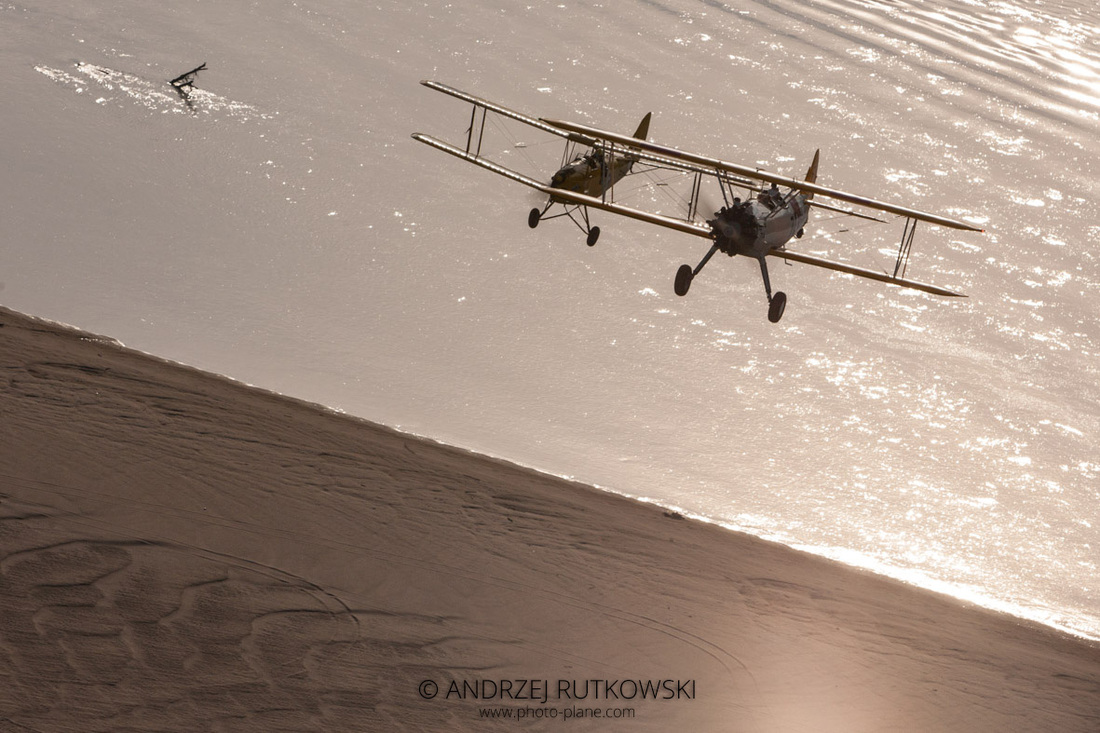
DHC-1 Chipmunk 22
Airframe
| Wingspan | 10.47 m |
| Length | 7.75 m |
| Max. take-off weight | 907 kg |
Performance
| Engine | DH Gipsy Major 8 |
| Power | 145 hp |
| Max. speed | 222 km/h |