Poland · World War II · RAF · PSP

Flying
Museum

Four authentic World War II aircraft — flying monuments to the Polish airmen who fought and died in the skies of the West.

4 Airworthy aircraft
1939–1944 Collection vintages
Brzeska Wola Home airfield
WWII Historical era
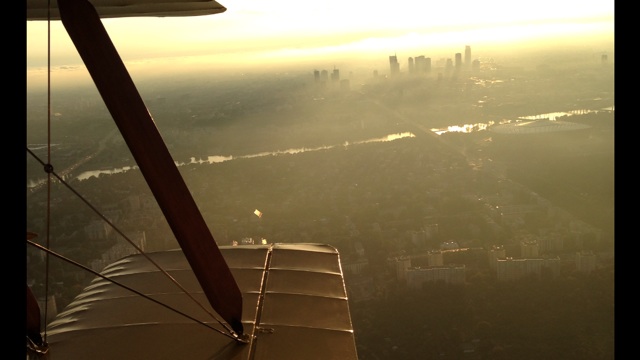
Tiger Moth T-7230 — flying heritage

A flying tribute
to Polish airmen

The Polish Air Force Flying Museum Foundation collects and maintains airworthy aircraft flown by Polish airmen during the Second World War.

These are not replicas — they are original machines that witnessed those times. Each has its own history, its own service record, its own pilots. Flying them today is an act of remembrance for the generation that fought for freedom in foreign skies.

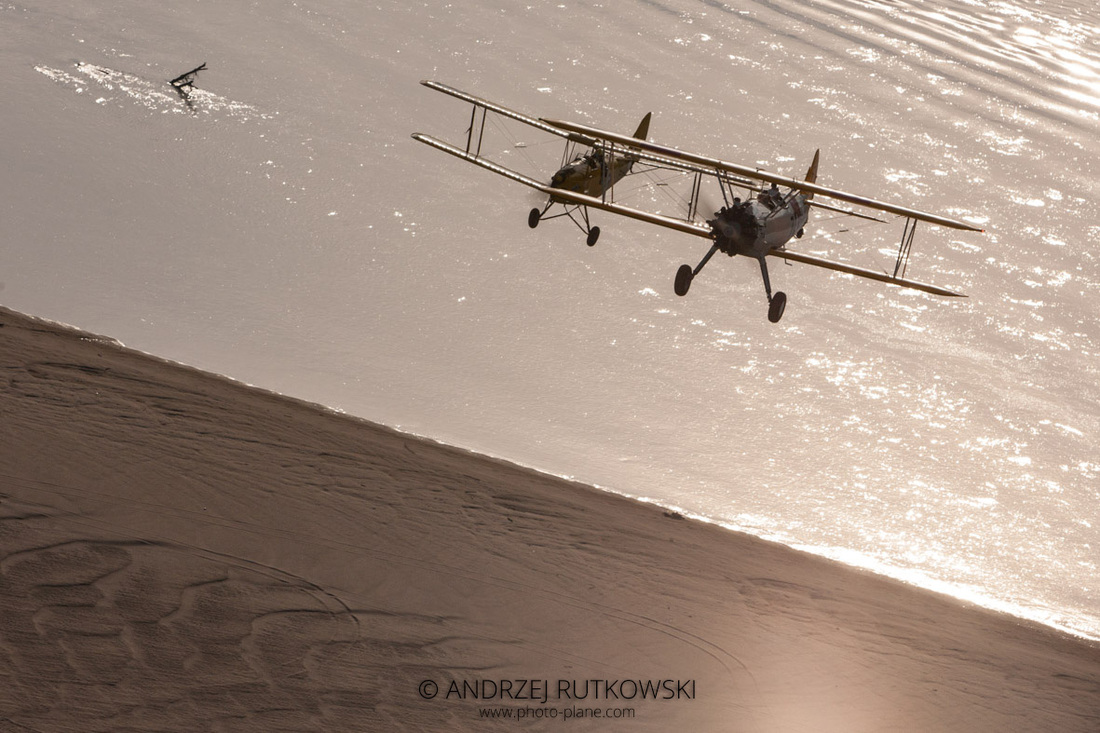
The collection spans four types: Tiger Moth T-7230 — the RAF's primary trainer, Auster MT255 — an observation aircraft from the Western Front, DHC-1 Chipmunk — the Tiger Moth's successor, designed by a Pole, and T-6 Harvard G-RAIX — the advanced trainer, the final step before combat.

Flying Museum →
To meet these people, to fly with them — it was worth every effort, every cost and every responsibility that comes with owning a warbird.

Jacek Mainka — founder

Four aircraft — four histories

Meetings with veterans

1940–1945 · 308 Squadron

Jerzy Główczewski

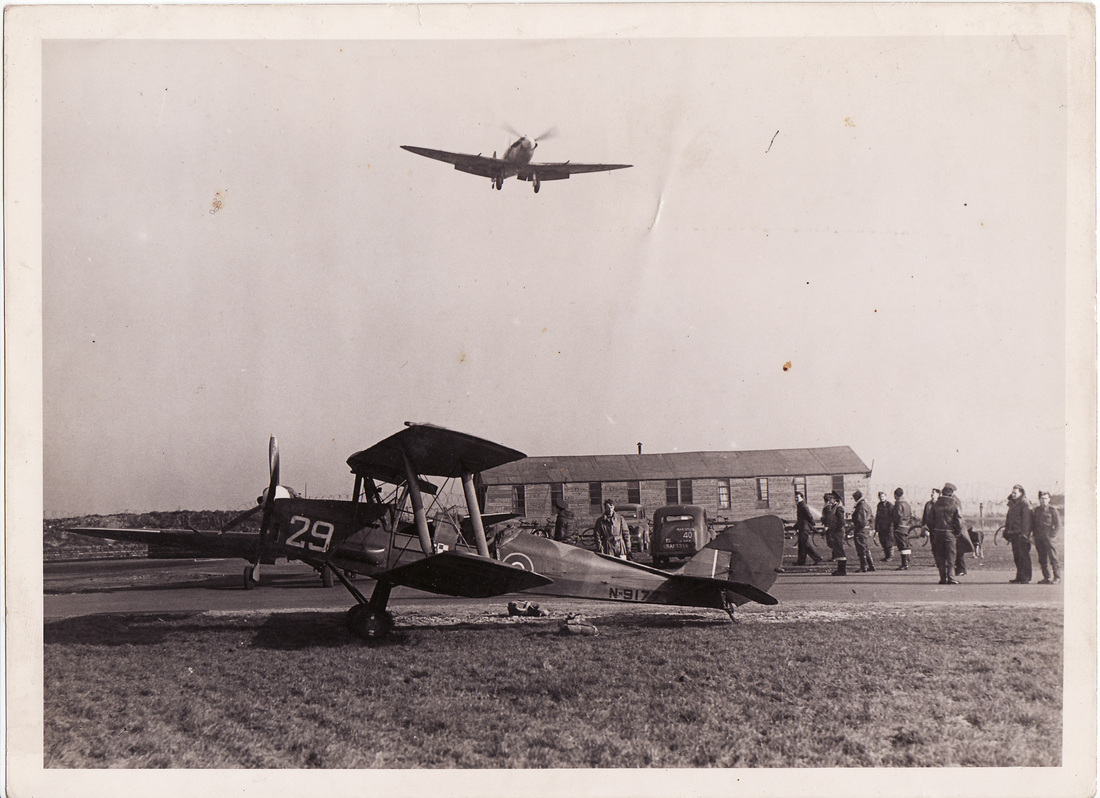
Spitfire pilot from the Polish 308 Fighter Squadron, trained on the Tiger Moth. In 2008 he met a Spitfire V from the BBMF in the air over Warsaw.

Instructor · September Campaign

Antoni Tomiczek

A flying instructor before the war and participant in the September 1939 Campaign. In 1944 he flew Halifaxes and Liberators on supply drops for the Warsaw Uprising.

ATA · 1942

Jadwiga Piłsudska-Jaraczewska

Air Transport Auxiliary pilot, trained on the Tiger Moth in 1942. In 2007 — back in the cockpit of T-7230. In 2012 — flying Auster MT255 over Sulejówek.